Choosing the right outfit for an occasion can sometimes be confusing. While casual and formal wear both have an important place in our wardrobes, they are designed for very different settings. Understanding the difference between casual wear and formal wear can help you dress appropriately while staying comfortable and confident.
From everyday outings to office meetings and special events, knowing what to wear makes getting ready much easier.
What Is Casual Wear?
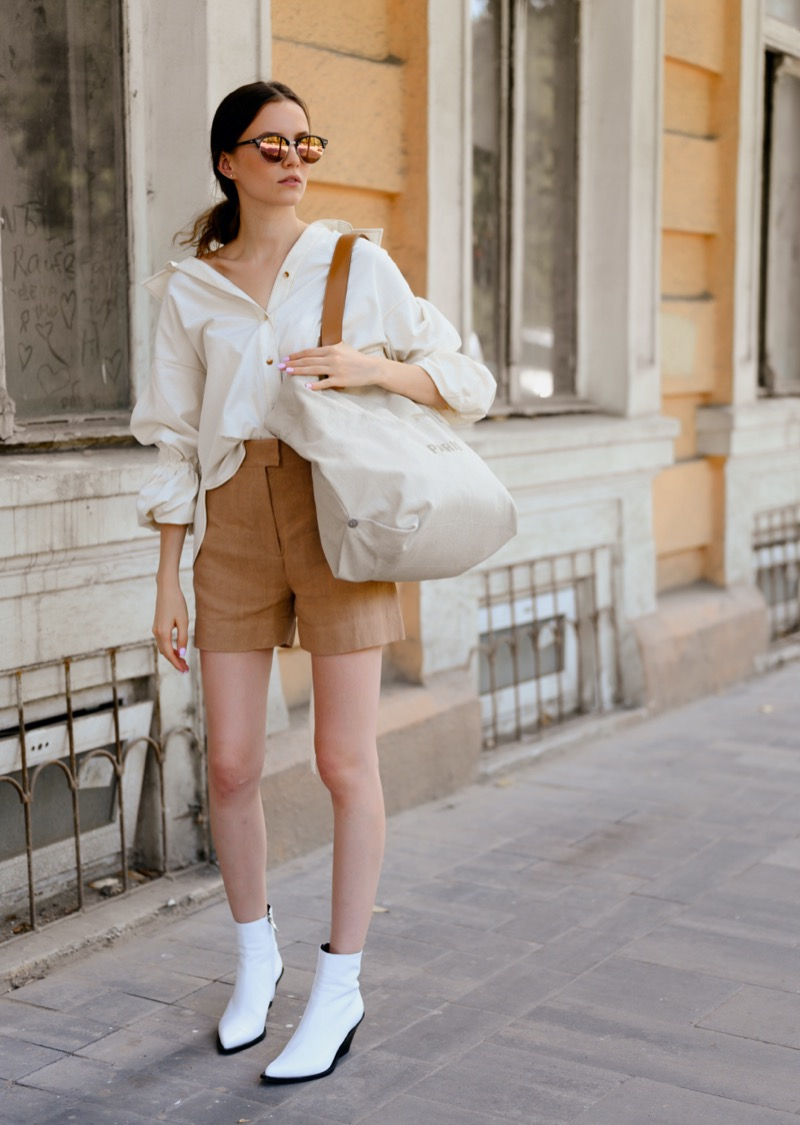
Casual wear refers to comfortable and relaxed clothing that is suitable for everyday activities. It is commonly worn when shopping, meeting friends, travelling, going to college, or enjoying a casual day out.
Popular casual clothing options for women include:
- T-shirts and tops
- Jeans and trousers
- Casual skirts
- Cotton dresses
- Maxi dresses
- Casual shirts
- Sneakers and flats
Comfort is usually the main focus of casual fashion. Fabrics such as cotton, linen, and lightweight blends are popular because they are easy to wear and suitable for everyday activities.
Casual outfits also give you more freedom to experiment with colours, prints, and different combinations. For example, a simple cotton dress can be paired with sneakers for a relaxed look, while a casual top can be styled with jeans for an effortless outfit.
What Is Formal Wear?
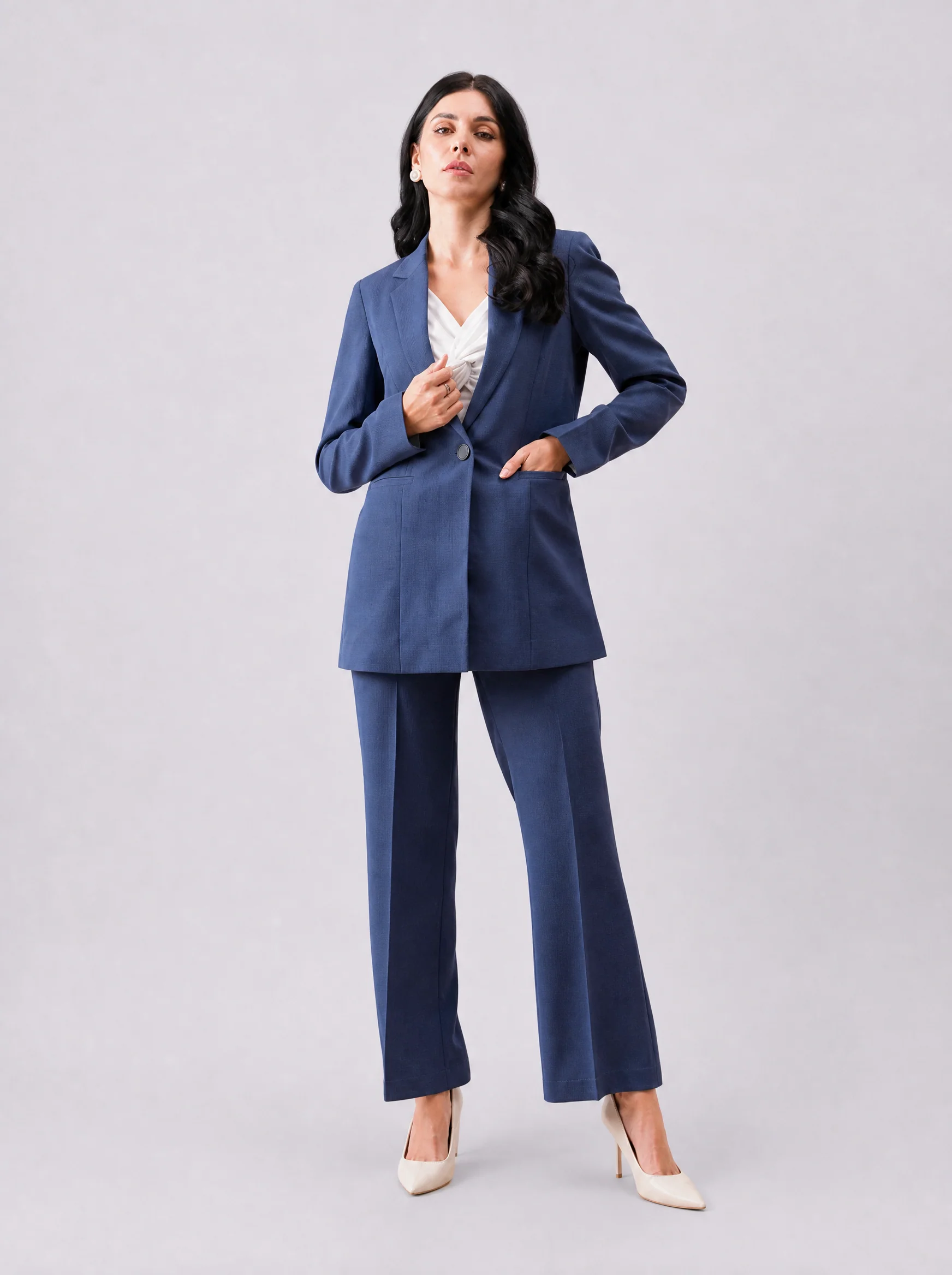
Formal wear is clothing designed for professional settings, important events, ceremonies, and occasions that require a polished appearance.
Depending on the event and dress code, formal clothing for women may include:
- Formal dresses
- Blazers and trousers
- Tailored suits
- Pencil skirts
- Formal shirts and blouses
- Elegant midi or maxi dresses
- Formal footwear
Formal clothing generally focuses on structured designs, refined details, and a polished appearance. Neutral colours such as black, navy, grey, white, and beige are commonly associated with formal outfits, although other colours can also be appropriate depending on the event.
Key Differences Between Casual and Formal Wear
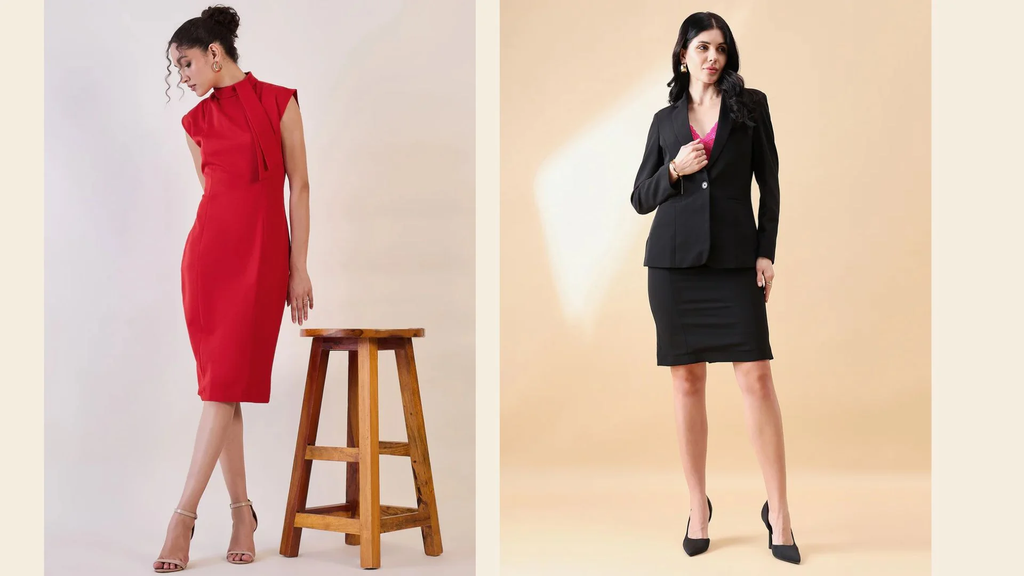
The biggest difference between casual and formal wear is the level of formality and the setting where the outfit is worn.
Casual clothing prioritises comfort and relaxed styling, while formal clothing usually has a more structured and sophisticated appearance. Casual outfits often feature simple designs and comfortable fabrics, whereas formal outfits may use tailored cuts and more refined materials.
For example, jeans and a simple top may be suitable for a casual lunch with friends. However, a business meeting may require tailored trousers, a blouse, and a blazer.
When Should You Wear Casual Clothing?
Casual wear is ideal for occasions where there is no strict dress code. You can choose casual outfits for:
- Shopping trips
- Weekend outings
- Casual lunches
- Travel
- Coffee dates
- Family gatherings
- Everyday activities
When choosing casual clothing, think about comfort, weather, and the activities you will be doing.
When Should You Wear Formal Clothing?
Formal wear is appropriate when an event or environment requires a more polished appearance. Common examples include:
- Business meetings
- Interviews
- Corporate events
- Formal dinners
- Award ceremonies
- Weddings and special occasions
Always check the invitation or workplace dress code when one is provided. The level of formality can vary from one event to another.
Can You Mix Casual and Formal Wear?
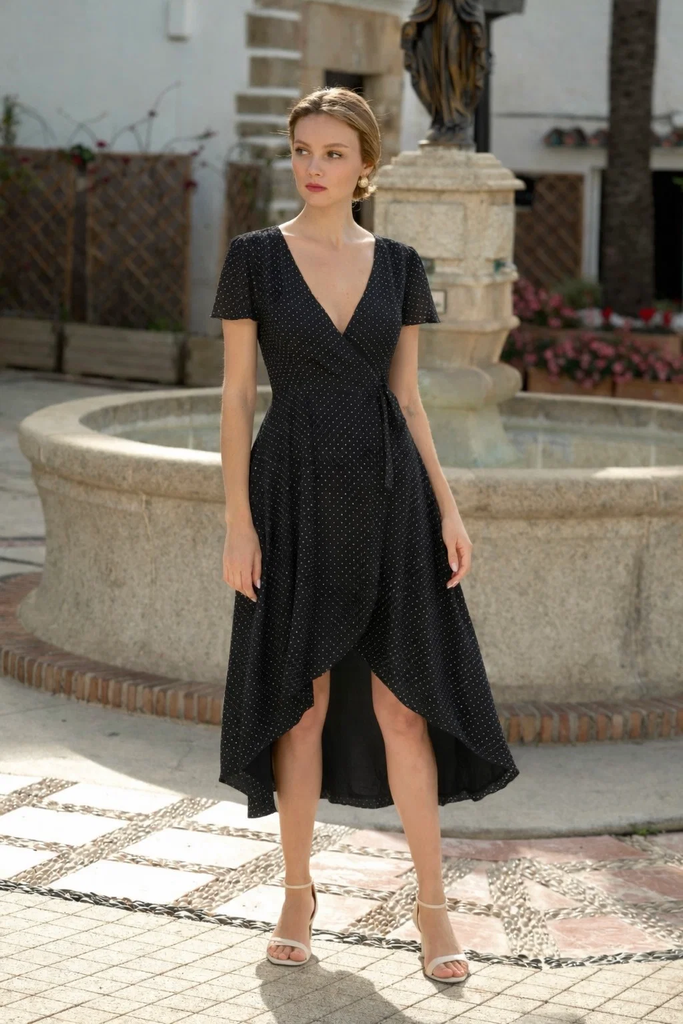
Absolutely! Combining casual and formal pieces can create a stylish smart-casual outfit. For example, you can pair a tailored blazer with jeans or wear a simple dress with a structured jacket and elegant footwear.
Smart-casual dressing gives you flexibility while maintaining a polished appearance.
Final Thoughts
Understanding the difference between casual and formal wear makes it easier to choose the right outfit for different occasions. Casual clothing is generally relaxed and comfortable, while formal wear focuses on a more polished and structured appearance.
Instead of following trends blindly, consider the occasion, dress code, weather, comfort, and personal style before choosing your outfit. With a versatile wardrobe containing both casual and formal pieces, you can be prepared for almost any occasion.